An institution in Beaujolais, carbonic maceration allows winemakers to obtain wines that are “on the fruit” without extracting a lot of tannins. This production method long associated with Beaujolais Nouveau is also used elsewhere in the wine world to make fine wine.
Classic maceration
Before diving into the carbonic versions of maceration, let’s look into what ‘normal’ maceration is? This step in the wine making process consists of leaving the grape juice in contact with the solid parts of the grape (the skin and seeds) to extract their flavours, colour and tannins. This is a crucial step in red wine and rosé production and it can be used in white wine production which would then actually create an orange wine.
When crafting light rosés, it can last just a few hours, or it can it last several weeks for rich and concentrated red wines. The winemaker has to be very vigilant because if maceration lasts for too long, it will start to extract aromas and tannins that are called “green” which come from the seeds and stalks.
After maceration, the juice is most often separated from the solid parts of the grapes and alcoholic fermentation starts.
What is carbonic maceration?
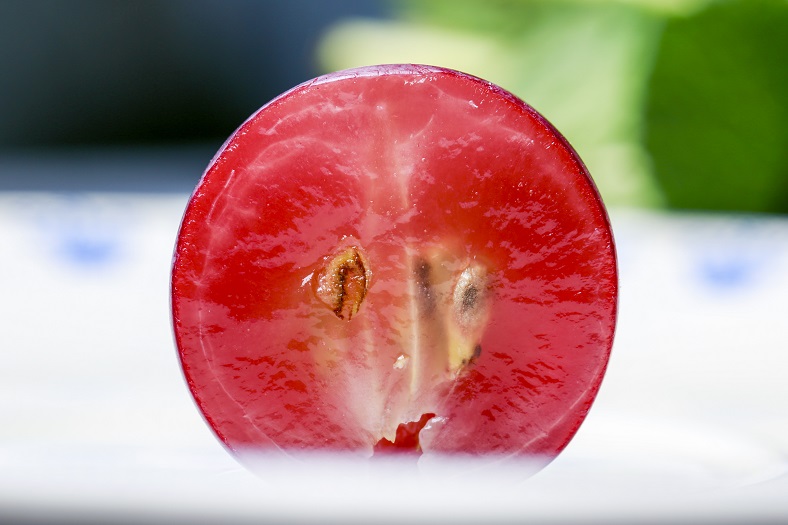
Th goal doesn’t change here; the aim of the process is still to extract flavours, colours and tannins but this time, the process happens inside the grapes themselves (which have not been pressed) and not in the must. For carbonic maceration to happen, the vast majority of the grapes need to stay intact, which means that they are harvested by hand and put directly into closed vats without being crushed or pressed. The vats can’t be too big because you don’t want the grapes to start crushing themselves under the weight of the bunches above them. The vat is then filled with carbon dioxide (which gives the name to this method) to protect the grapes from oxygen and to avoid alcoholic fermentation from starting prematurely.
The pulp within the grape skins absorbs the flavours and colour from the skin without extracting too many tannins. The idea is to obtain an aromatic, very fruity (only primary flavours) wine that’s deeply coloured with low amount of tannins. What a feat!
And semi-carbonic maceration? What’s the difference between the two?
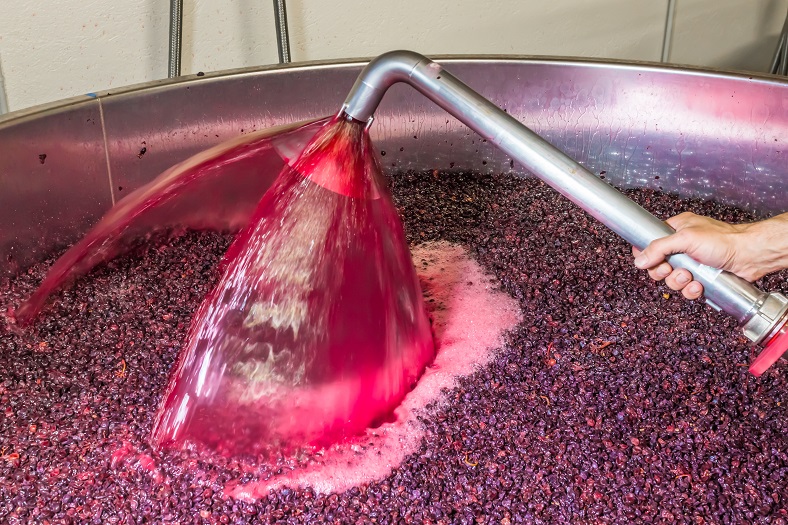
There is a third type of maceration, and this is known as semi-carbonic maceration. The goal is exactly the same as carbonic maceration, but the method differs. This time, a large vat is preferred because the idea is to fill it with enough bunches that the weight of them start to crush the grapes at the bottom of the vat. The juice released by these crushed grapes starts to ferment thanks to the yeast found on the grape skins. With the vat closed tightly, the carbon dioxide released during alcoholic fermentation fills the vat. This starts carbonic maceration in the remain intact grapes. No carbon dioxide is added during semi-carbonic maceration.