With the start of the year, the time has come for the iDealwine Team to analyse the wine auction market with a fine toothcomb. The preparation work for our famous Barometer has started, and without revealing too much, we will lift the curtain on the initial trends. Because seasoned wine enthusiasts know full well, iDealwine publishes its Auction Barometer in the spring. A true secondary market bible, this document details the trends for each region through their producer which ignite iDealwine auctions. The Barometer lists signature producers, the icons from each region as well as those which deserve to feature in a wine enthusiast’s collection as safe bets and unknown gems that have been uncovered by the most passionate and visionary. In other words, this Barometer is a guide which lists estates not by how their wines taste but rather by how enthusiasts react to them with care and passion.
Why is this analysis relevant? There’s two reason why. Firstly, it is built upon the choice of enthusiastic buyers, who are, for the most part, the world’s greatest wine lovers. As passionate as they are curious, they show the way forward, acting as precursors to emerging trends through their enthusiasm and bidding which sometimes drives up the price of producers that are still unknown to most people. Secondly, the passionate and broad-minded consignors, who carefully store their wines over the years, renders iDealwine unique in the wine world. This excellent provenance has a direct impact on the volume sold and more importantly, the variety of wines in the auctions.
Last year, more than 300,000 bottles were sold in 50 auctions organised on the iDealwine website. The volume and regularity of the sales provide extensive figures to analyse in depth. Because what sets iDealwine apart from other auction houses is the fact that the auctions don’t just contain the greatest names from each region. Instead, its catalogues contains wines from more than 20 wine regions around the world. More than 50,000 different wines went under the hammer in 2025. Wine enthusiasts have the possibility to bid on the most prestigious labels as well as rare bottles from tiny estates and collectable vintages. Needless to say, deciphering all these bids is a fascinating – and intense – task!
Without revealing all the details of our work (you’ll be able to read our in-depth analysis in the Barometer very soon – promise), here are five trends that have emerged from analysing 2025’s auction results.
1 – Be curious! Broaden your horizons
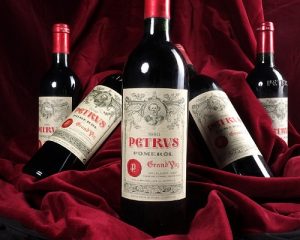
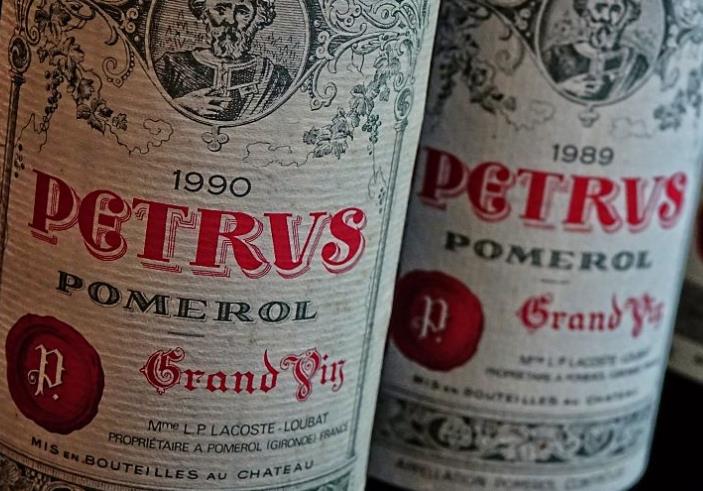
At auction, France’s great viticultural regions remain the most prominent and wines from the usual Bordeaux, Burgundy, Rhône Valley trio continue to represent a large part of the volume auctioned. But this majority hold is reducing slightly with each passing year, not because enthusiasts have lost interest in the wines, whose volumes continue to grow, but because other regions are carving out more space on the secondary market and enjoying growing success. In just 10 years, Bordeaux, Burgundy, and the Rhône Valley have seen its auction share drop 10%, falling from 82% to 72%. This ground has been lost to enthralling regions such as Jura, Beaujolais and those from outside of France. Other indicators also point to a broadening spectrum of the wines that captivated bidders in 2025. The rankings of the Top 50 best-selling estates at iDealwine auctions brings together nearly a fifth of the bottles sold (17%), which account for almost half the value auctioned (47.8%). But this figure is falling! In 2024, it was 53%, a sign of the ever-expanding interest in a growing number of bottles even if Domaine de la Romanée-Conti, Petrus and Rayas remain in most coveted names.
2 – Bordeaux, target mature vintages and rare formats
The ultimate auction safe bet because of the wines famed longevity, Bordeaux offers the “ideal foundation” for a wine enthusiast wishing to create a good investment collection. This is evidenced by the fact that the average price for the region’s grand cru classés only dropped 3%, while this statistic is as much as 8% for the market as a whole. Those which financiers call “resistant investments” fulfilled their role well in a collection built with the view that it’ll increase in value over the medium term. What’s more, the region’s average price comes to €119, but this statistic rises to €135 for maturer vintages (those aged 20 years or more). It is, therefore, interesting to keep an eye out for great vintages which still have the potential to age some more (2019, 2015, 2010, 2009…) and to then patiently leave time to do its work – both from an investment standpoint and in view of the wine’s flavours. Note that larger formats, such as magnums, Jeroboams and Imperials, add a touch of rarity to the wines which contribute to increasing their value over time.
3 – Be selective about Burgundy
Burgundy has been enjoying the abundant passion of enthusiasts for several years now and the breadth of buyers is spread across the four corners of the globe. Today, this region which produces roughly four times less wine than Bordeaux has overtaken the other region to sit at the top of the leaderboard in terms of value, attracting 41% of the total amount. BUT the Burgundian wine should be bought prudently and selectively because while the average auction price of these wines remains the highest across all regions (€211), it has shrunk by 15% compared to last year. We noticed, however, that this reduction was a lot more limited for wines from the most sought-after producers. For those who feature in the rankings of the top 20 best-selling estates last year, their average price decrease by 4%. The mention of Burgundy on the label does not offer a firm guarantee that the bottles will appreciate in value, at least not in the short term, because against a backdrop where yields are sometimes affected by adverse weather, the prices of recent vintages upon release have seen significant increases. Caution and discernment is therefore required.
4 – Heading towards organic methods
iDealwine has always closely followed the viticultural choices employed by producers. Since our creation in 2000, we have been enthralled by the work undertaken by winemakers on the quest to get the best out of their vines and their oenological practices. Even if climate change has been reshuffling the cards for many years now, leading some winemakers – including the most prestigious – to renounce all forms of certification to retain their choice when adverse weather strikes, the proportion of estates carrying organic certification is growing at auction. The value share of organic or biodynamic wines sold at auction increased again last year, going from 35.6% to 36.2% in one year. Although the figures remain indicative due to the difficulty in gathering comprehensive information, this proportion is significant considering that conversion generally took place over the last decade and that iDealwine auctions mainly contain mature wines (55% are over 10 years old). Another trend developing in iDealwine auctions are the love for natural wines. Their share is growing rapidly, going from 7.6% to 8.9% in just one year. The success of long-overlooked regions such as Auvergne, Jura and Savoie is not unsurprising.
5 – Don’t be afraid of young wines
Don’t overlook wines coming into their own as they are currently appreciating more quickly at auction. Although mature vintages still account for the majority of the bottles sold on iDealwine – one of the major advantages of the secondary market is buying wines in their drinking window – the volume of ‘young’ wines continues to grow. Last year, wines over 10 years old accounted for 55% of the total number of bottles sold on iDealwine. The previous year, this proportion was 69%. This rapid shift towards younger wines goes hand in hand with a restructuring of demand, which is increasingly turning towards new, recently established estates, some of which are enjoying phenomenal success. One of the major advantages of the Barometer is that it identifies these estates in each of the wine regions analysed. And to complete your purchases, don’t forget that iDealwine’s Fixed-Price selection offers you access to the very latest vintages produced by many of them…
As you can see, the trends that emerge over a year of auctions are sure to pique the curiosity of wine lovers: the lines are constantly shifting, and while the prestige of the terroir or label remains attractive, it is no longer the only factor guiding the most discerning connoisseurs in their purchases. 2026 promises to be a fascinating one: what will be your most exciting discoveries?
See you very soon when we present the Barometer and give you some more paths to explore on your wine adventures.
Browse the auction catalogues
Advice for managing your collection: Read our latest auction reports